
Does grief in the aged care system need a rethink?
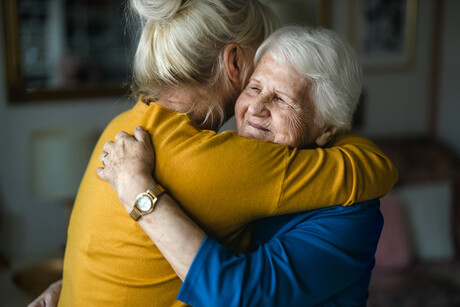
To better understand grief in the aged care system, researchers have considered family caregiver and staff experiences across nine South Australian residential aged care facilities. The study, which involved interviews and focus groups, found grief was a long process not tied to a singular event, but one that evolved from a transition period as the loved one entered aged care, through to their decline and into and beyond bereavement.
“The grieving process began very early for most families, generally at the time their loved one entered into the aged care facility,” said Dr Priyanka Vandersman from Flinders University’s Research Centre for Palliative Care, Death and Dying, who led the study. The study findings, the researchers said, challenge traditional models of bereavement support, which often focus only on the period after death.

Vandersman, a registered nurse and Senior Research Fellow at Flinders’ College of Nursing and Health Sciences, added: “We found the grief wasn’t in anticipation of potential death, but from losing their person into the system and having their identity as their carer, protector and advocate taken away. That loss of identity is profound.
“As more people enter into the aged care system, we need better understanding of how the full journey of grief unfolds so we can offer appropriate supports throughout.”
From the research, five key themes emerged:
- Early grief linked to the loss of caregiving role.
- Emotional strain during transition.
- The impact of communication on end-of-life experiences.
- The importance of after-death rituals.
- The sustaining power of relational support.
“We need to shift our thinking on how we support grief in the aged care sector,” Vandersman said. “It’s a continuous process and shaped by everyone involved in the system. Families, staff and wider communities all experience or play a part in the grieving process.”
Communication was also found to play a pivotal role in shaping how families process grief, with delayed or unclear communication leaving families feeling unprepared and distressed. “One daughter shared how she didn’t realise her father was dying until the aged care manager sat her down and explained it gently but clearly,” Vandersman said. “That conversation, though painful, helped her begin to process what lay ahead. It’s a reminder that communication isn’t just about information, it’s care.”
The researchers have called for grief support to be embedded into aged care systems through the care journey, not just at the end. “It is clear that timely end-of-life planning, support, post-death rituals, and ongoing ties with the care facility can help family caregivers cope with grief,” said co-author Professor Jennifer Tieman, Director of the Research Centre for Palliative Care, Death and Dying. “Ultimately, if we want to support families well, we need to see grief as part of the whole aged care experience.”

A paper on the study — titled ‘“I thought he had longer than that”: family caregivers’ experiences of grief, loss, and bereavement in residential aged care’ — was published open access and you can read it here.
Culturally tailored dementia education — resources released
Resources designed to increase understanding of modifiable risk factors for dementia in...
Testosterone levels decline with age, not menopause, despite what you've heard
Testosterone is widely promoted as an essential part of menopausal hormone therapy to treat low...
Are GPs less likely to refer people with dementia to allied health services?
Researchers have examined the allied health referral patterns of GPs from 537 practices —...


