
Is eating alone linked to poorer nutrition in older adults?
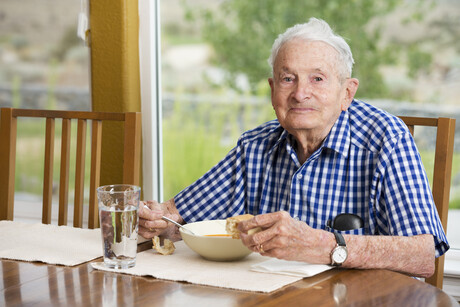
A systematic review of 20 international studies set out to examine the relationship between eating alone and measurable health outcomes among community-living adults aged 65 years and over. What was found is that older adults who regularly eat meals alone are more likely to experience poorer nutrition and health outcomes than those who share meals with others.
Published in the journal Appetite, the research found consistent associations between eating alone and poorer diet quality, reduced intake of key food groups such as fruit, vegetables and meat, and an increased risk of weight loss and frailty.
“Food is more than the nutritional benefit it provides. Sharing a meal is an important social activity that can influence appetite, dietary variety, and overall wellbeing,” said lead author Caitlin Wyman, an Accredited Practising Dietitian and PhD candidate in the Flinders University Caring Futures Institute.
“We knew from previous research that feelings of loneliness and social isolation can contribute to reduced food intake, but we had yet to explore the nutritional and physical outcomes of older adults eating alone versus with others,” Wyman added.
Drawing on data across 12 countries and from over 80,000 older adults, the review revealed that the social setting of eating can have wide-ranging impacts. “We know that aging brings physiological changes such as reduced hunger cues and altered taste, but our findings suggest that social factors are equally important,” Wyman said.
“Eating together fosters connection, enjoyment and nourishment. Encouraging opportunities for shared meals, whether that’s with family, friends, or community programs, could help improve food intake, nutritional status and quality of life for older adults living at home.”
Dr Alison Yaxley, co-author and Flinders University researcher and Accredited Practising Dietitian, said the review supports integrating social and nutritional screening into routine aged care and primary healthcare practices. “Simple questions about mealtime habits could help identify people at higher nutritional risk,” Yaxley said.
“By recognising the link between social isolation and nutrition, health professionals can connect older adults with community meal programs or social dining opportunities that have the potential to make a real difference.”
The review was published open access, and you can read it here.
Residents put on pantomime five months in the making
Aged care residents in Port Elliot, South Australia sewed their own costumes, created the...
Laughter training program boosts connection, fun and wellbeing
A laughter training program running across Queensland aged care sites is using humour and...
Exercising in mid and later life can reduce dementia risk — new study
Does exercising at any age help reduce a person's risk of dementia? Or is it only when...


